
Web App Development That Solves Real Business Needs
and Improves Operational Efficiency
A custom, secure and scalable web application shaped around your processes, customers or internal operations—not a generic template bolted on.
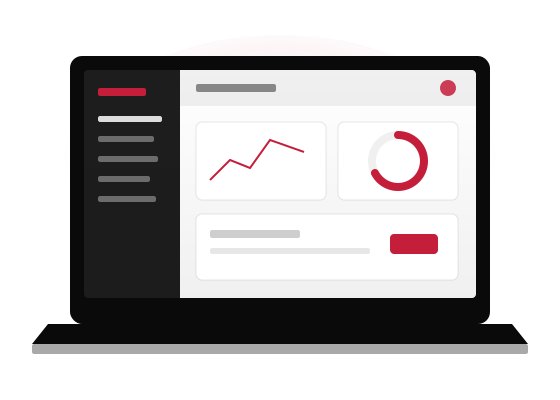
What Is a Web Application?
A web application is custom software that runs in the browser—supporting signed-in users, stored data and repeatable workflows for customers or internal teams.
Who Needs a Web App?
- You need to digitise a process that still lives in spreadsheets or email
- Off-the-shelf tools do not match how your teams actually work
- Customers or staff need a secure place to act, not just read a brochure
- You are ready to define a first release before expanding features
How a Web Application Adds Business Value
Streamlines operations
Put the steps people repeat into one owned system.
Improves productivity
Reduce handoffs and re-keying between tools.
Organises your data
Keep records where roles can find and update them.
Improves experience
Give customers or staff a clearer path to complete tasks.
Supports growth
Design for the first useful release, then extend with evidence.
Our Web App Development Services
Areas an engagement can cover—your proposal states which apply, who owns hosting and what the first release includes.
Custom web app development
Build around roles, workflows and a defined first release.
Process automation
Replace manual steps with rules the product can own.
User & access management
Authentication, roles and permissions that match the work.
Data management & reporting
Models, views and reports teams can act on.
Third-party integrations
Connect where APIs and access allow—scoped explicitly.
Ongoing support & scaling
Agreed care after launch when ownership stays clear.
How a Web App Works
People use the application in the browser; the application reads and writes the data they need.
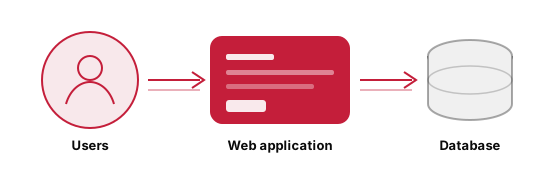
- Manage operations
- Track and report
- Collaborate
- Automate tasks
Examples of Web Applications
Illustrative product types—not a claim that every engagement includes all of them.
Booking systems
Customer portals
Project management
Enquiry & lead tools
Inventory systems
Custom business tools
Our Development Process
A clear sequence from discovery to a release you can operate.
Discover
Users, workflows and constraints.
Plan & design
Scope, UX and architecture.
Develop
Build the agreed first release.
Test
Normal paths and failure cases.
Launch
Deploy with named ownership.
Support
Care when scope includes it.
What Progress Can Look Like
Directional outcomes for a well-scoped engagement—not guarantees of headcount savings or revenue lift.
Clearer operations
Core workflows live in one place the team can use.
Better task experience
Roles see what they need without scavenger hunts.
Less manual rework
Fewer copy-paste steps between tools—where scope allows.
A scalable starting point
A first release you can extend—not a fixed ROI promise.
Frequently Asked Questions
Straight answers about scope, integrations and ownership.
How is a web app different from a website?
A web app usually supports signed-in users, stored data and repeated tasks. A marketing website mainly helps people understand a business and take an enquiry or purchase step.
Can we start with a smaller first release?
Yes, if that release still completes a useful workflow. Scope reduction should remove optional features rather than leave essential tasks unfinished.
Can it integrate with existing tools (CRM, ERP, etc.)?
Integration depends on access, API capability, data quality and provider constraints. Those dependencies should be assessed before a particular connection is promised.
Who owns the code and environments after launch?
Ownership, repositories, hosting accounts and handover documents should be named in the proposal. Nothing should depend on undocumented access.
Is ongoing support included?
Not automatically. Monitoring, fixes, enhancements and operating-system or dependency updates need agreed commercial terms and named owners.
Ready to Build a Custom Web Application?
Tell us who will use the app, which workflows matter first and what systems it must talk to. We can use that context to define a suitable next step.